Green tea
- Withered
- Fixed
- Rolled
- Dried
Fixing limits oxidation and preserves a fresh green character.

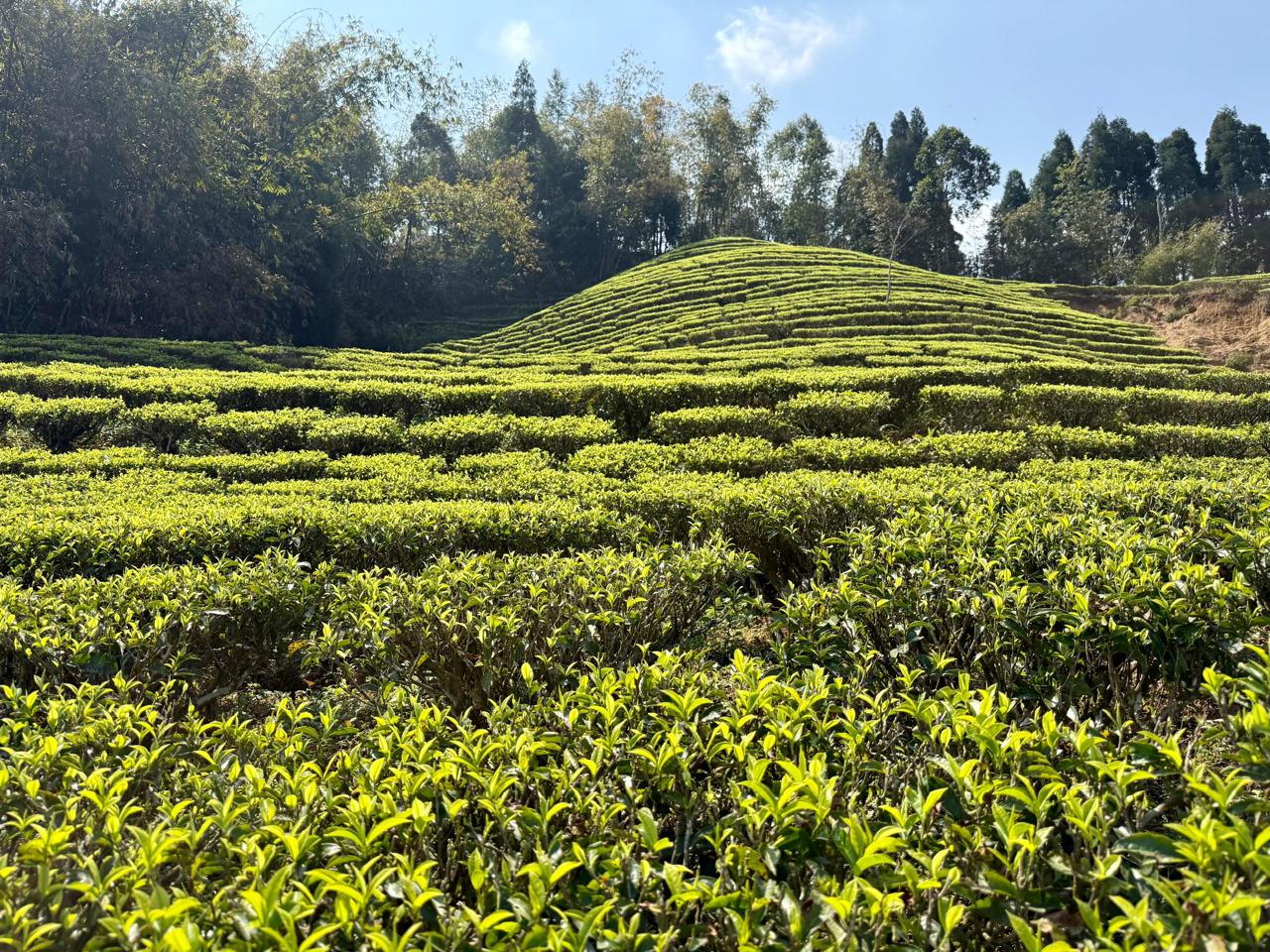
One high hillside, interpreted through whole-leaf grades, broken and fanning grades, seasonal flushes and specialty teas.
Explore how processing, grading, harvest season and the maker’s decisions give each tea its own identity.
All true tea begins with fresh tea leaf. The sequence and degree of withering, fixing, rolling, oxidation and drying determine the finished style.
Fresh tea leaves
Fixing limits oxidation and preserves a fresh green character.
Wrapping after fixing gently mellows the leaf and its green notes.
Minimal handling protects delicacy, pale liquor and soft aromatics.
Partial oxidation places the style between green and black tea.
Full oxidation develops amber liquor, body and deeper aroma.
Microbial fermentation or ageing creates an earthy, mature style.
The chart is a simplified educational guide. Exact sequences vary with the tea style, season, leaf condition and the maker’s method.
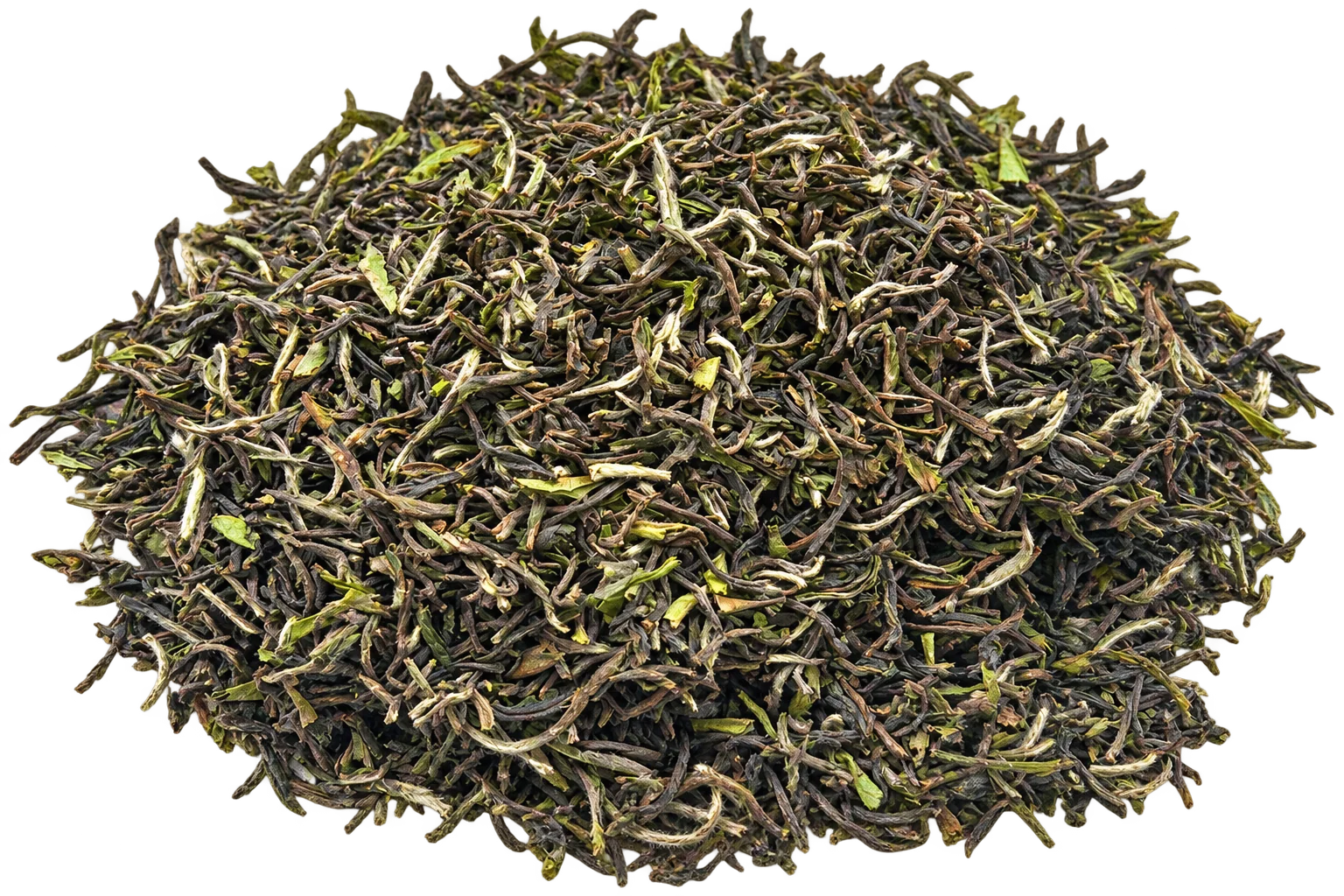
A light-made whole-leaf grade selected for clarity and aroma. Careful withering and restrained oxidation preserve a smooth body and lifted character.
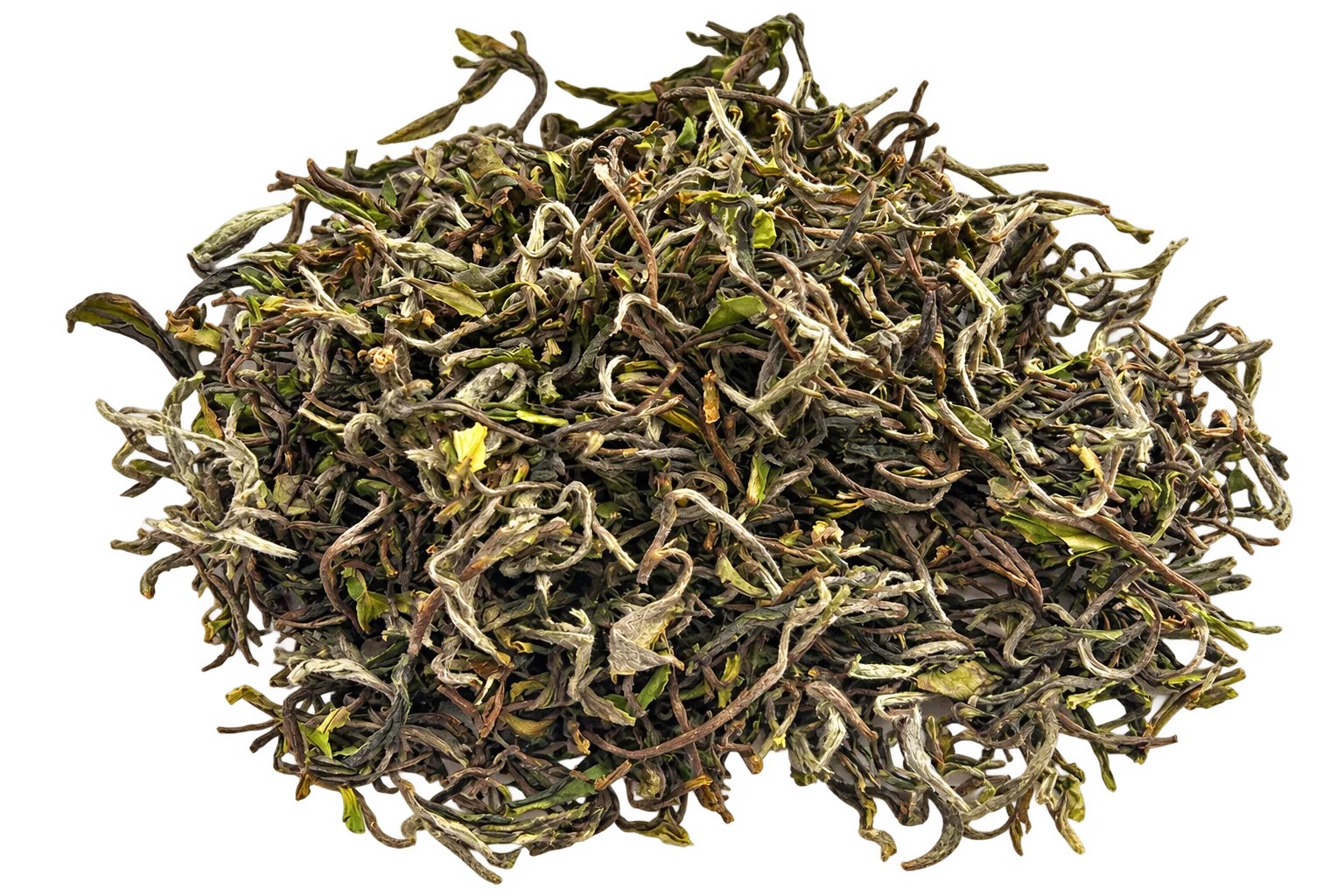
The signature Sundarpani tea is warm, rounded and dependable. Its balanced body offers an approachable introduction to the estate’s orthodox style.
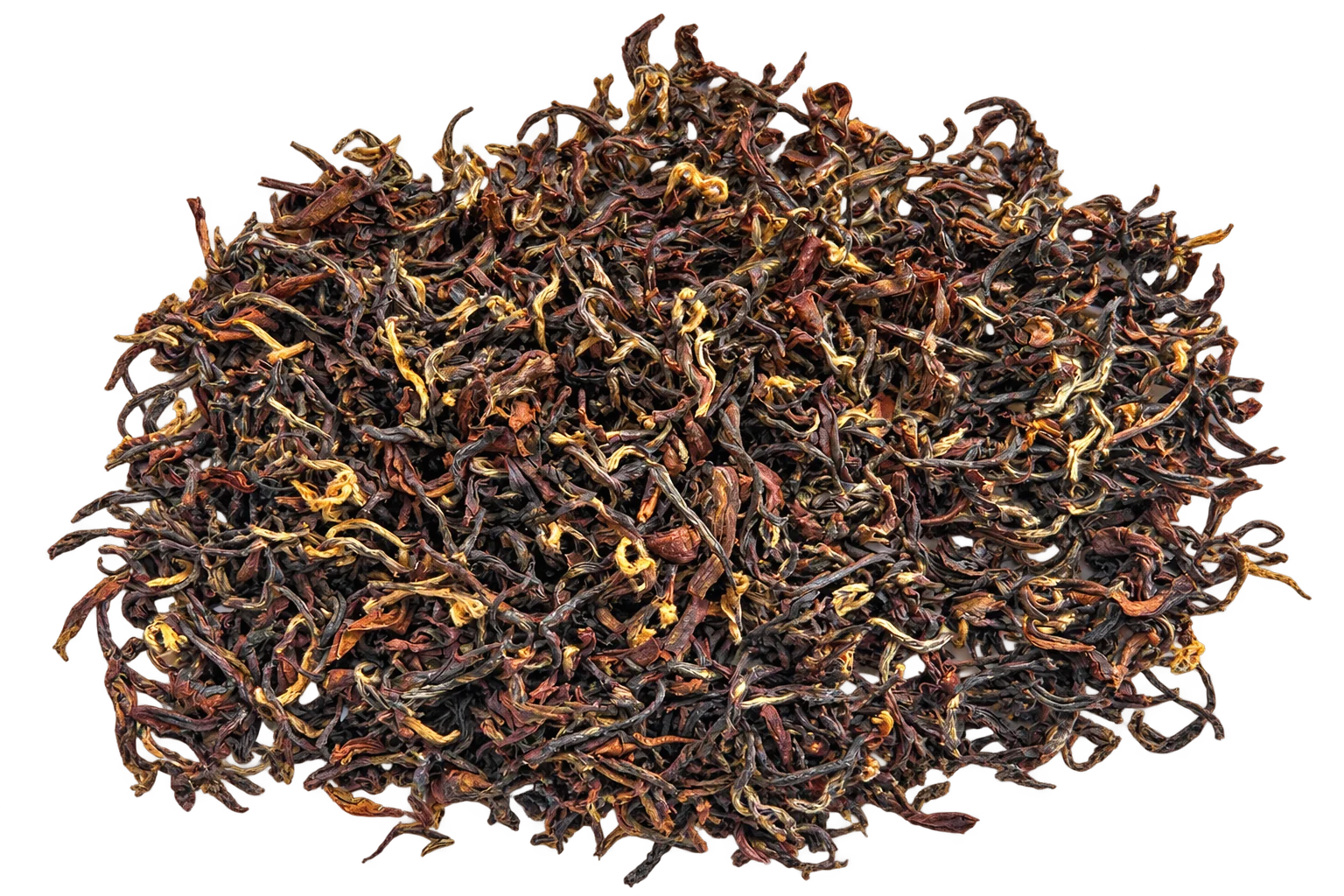
Summer warmth develops a deeper seasonal expression with ripe-fruit character, fuller body and a rich amber liquor.
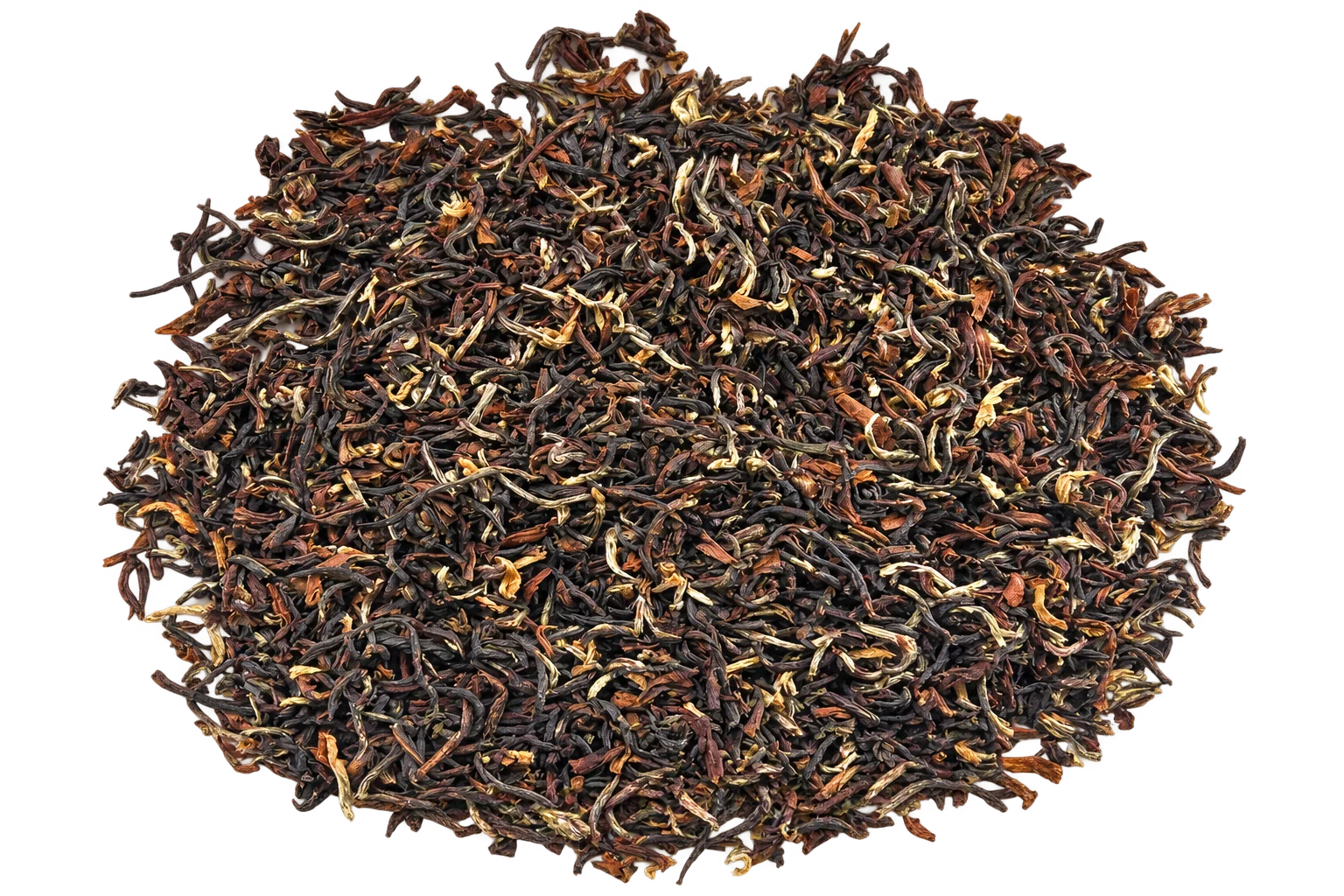
A fine summer whole-leaf grade with visible tips, ripe-fruit depth and a long, rounded finish.
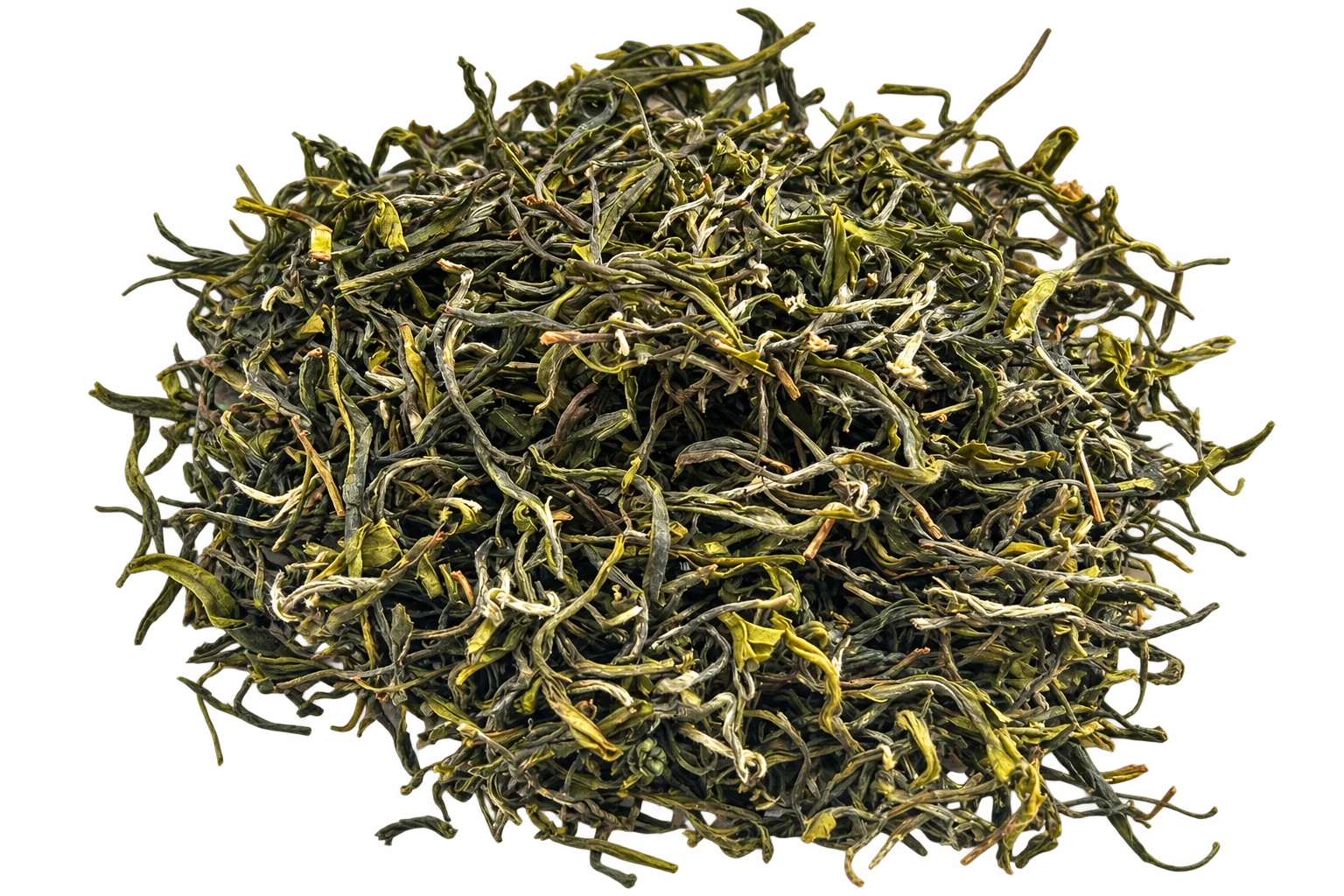
Fresh leaf is heated early to limit oxidation, preserving the clean, softly vegetal side of the Ilam garden.
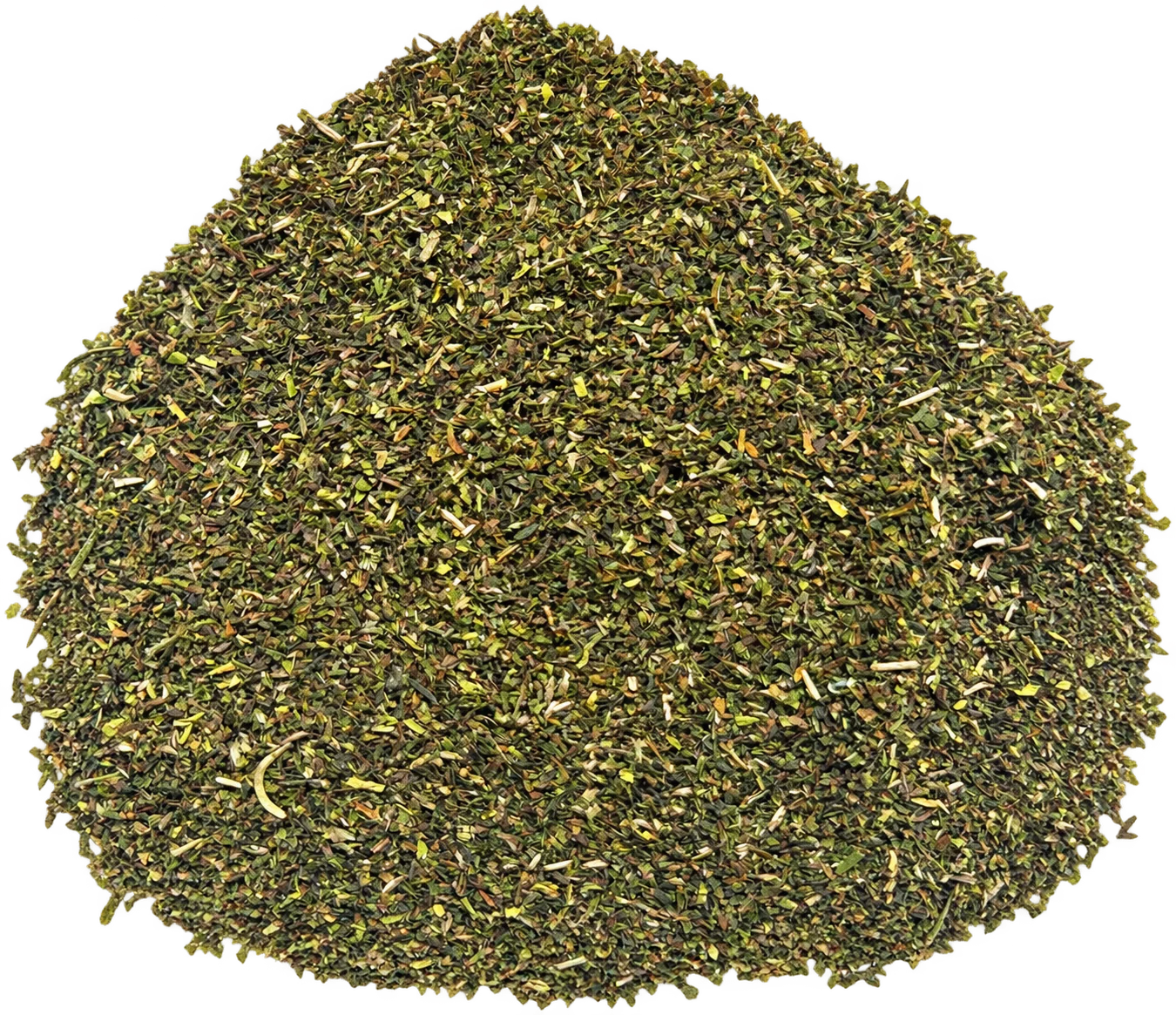
A small-particle grade designed for quick, consistent infusion and a brisk, refreshing cup.
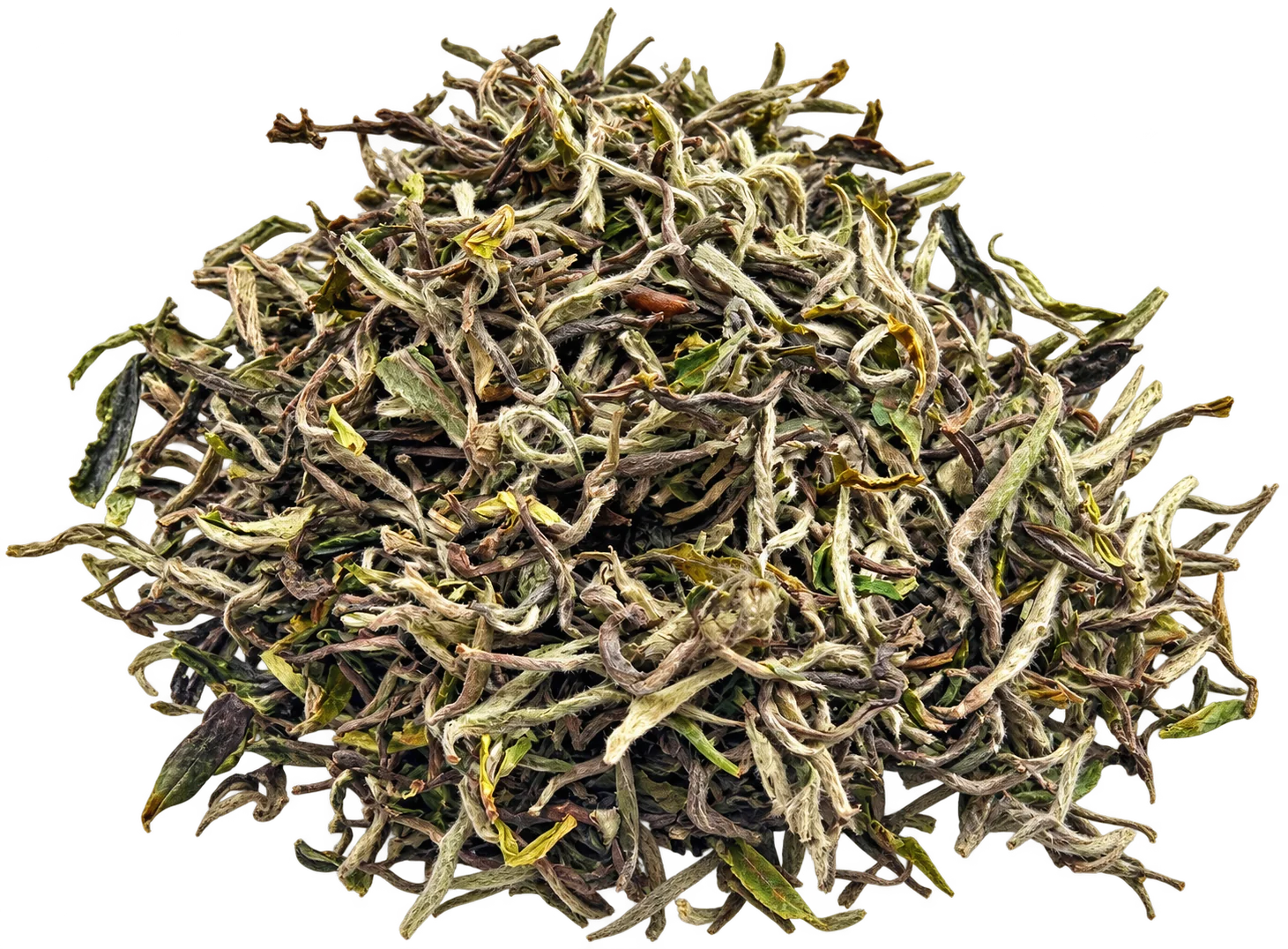
Tender young material is gently withered and dried with minimal intervention for a pale, delicate and softly floral infusion.